

 Share to Facebook
 Tweet
 Share to LinkedIn
 Send email
 Share with Messenger
Triglav National Park is Slovenia's only national park and also its largest and oldest protected area. Covering almost 840 square kilometres, it encompasses the highest peaks of the Julian Alps, lakes, rivers, glacial valleys, waterfalls, vast forests and alpine meadows. The park is exceptionally rich in natural wonders, rare plant and animal species, and characteristic Alpine landscapes. Among its most recognisable natural attractions are Mount Triglav, Slovenia's highest peak; Lake Bohinj; the Valley of the Triglav Lakes; Savica Waterfall; the Mostnica Gorge; and the emerald-green Soča River. Each of these natural landmarks forms an important part of Slovenia's natural heritage.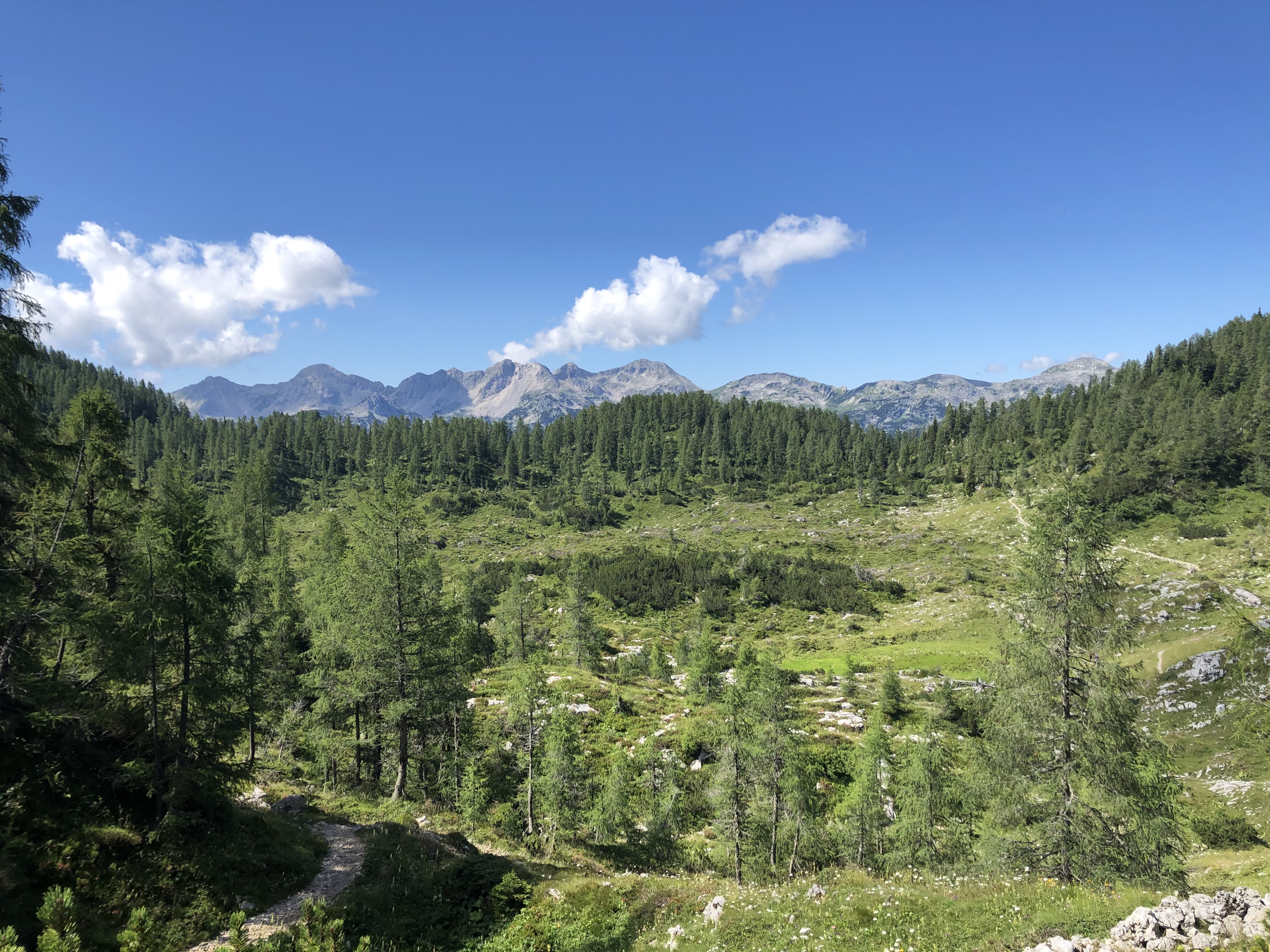
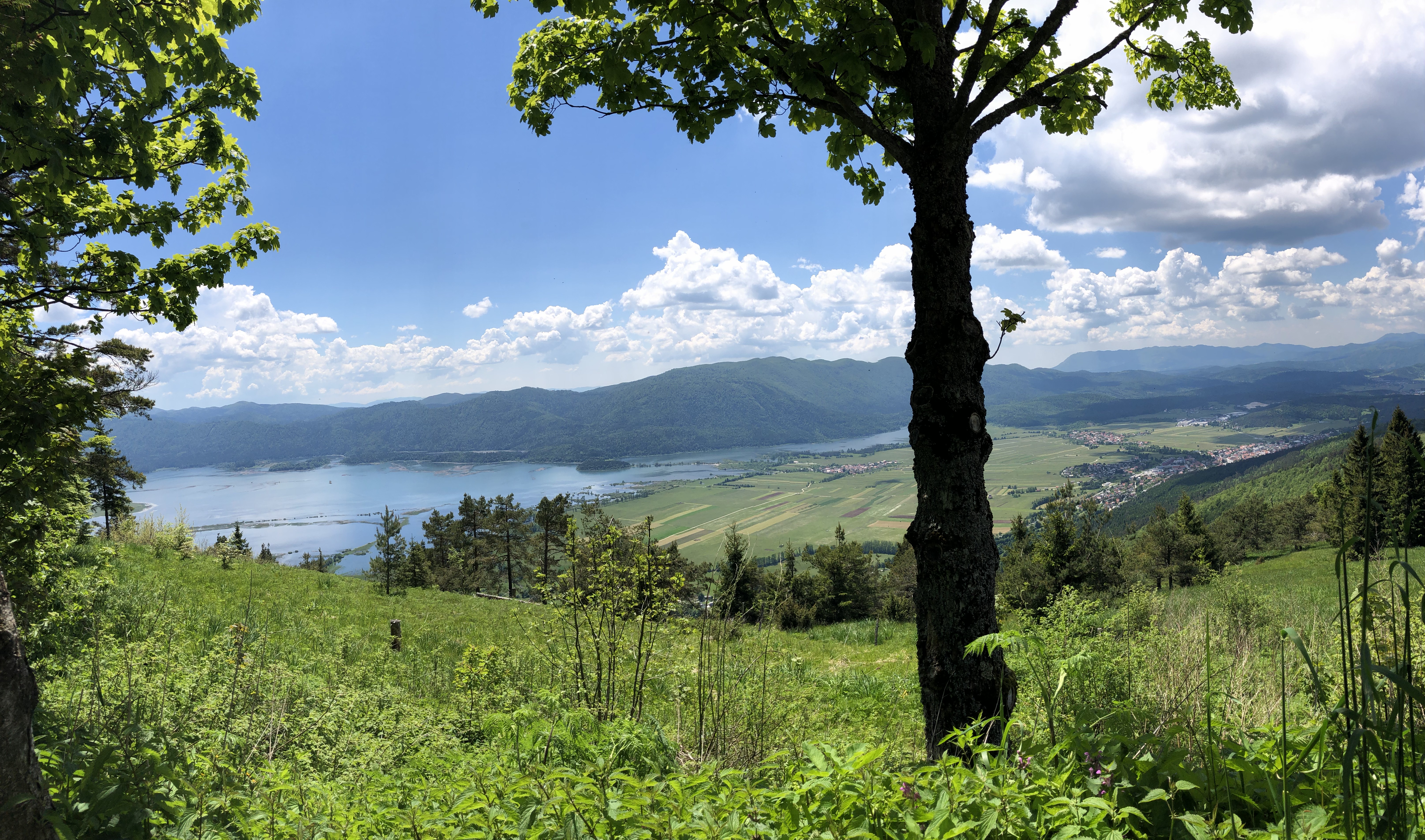
Notranjska Regional Park is best known for the intermittent Lake Cerknica, one of Slovenia's most remarkable karst phenomena. Depending on rainfall and the underground flow of water, the lake periodically fills up before its waters drain away underground, leaving behind vast meadows. The area is of exceptional importance to numerous species of birds, amphibians, butterflies and other wildlife. Another of the park's natural highlights is Rakov Škocjan, renowned for its spectacular natural bridges, karst caves and rich plant life.
Kozjansko Regional Park is one of Slovenia's oldest protected areas and an important example of how nature conservation can go hand in hand with traditional farming practices. It is particularly renowned for its extensive traditional meadow orchards, home to old varieties of apple, pear and other fruit trees. These orchards provide vital habitats for numerous species of birds, insects and other wildlife. Another important feature of the park is its dry grasslands, where numerous species of wild orchids and other rare plants flourish. Kozjansko Regional Park demonstrates that traditional land use and nature conservation can successfully coexist.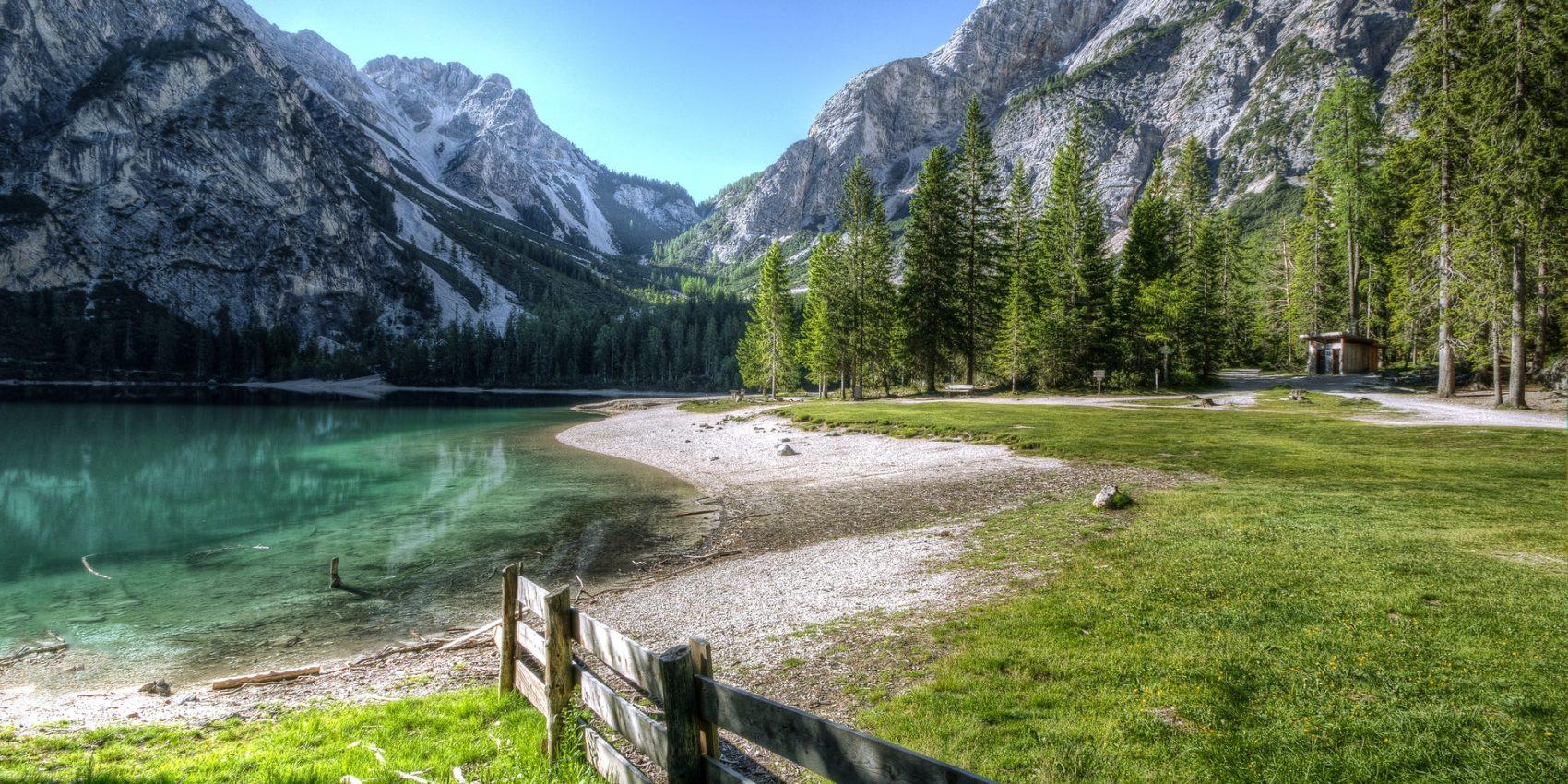
Škocjan Caves Regional Park protects one of the most important karst landscapes in Europe. Its most remarkable feature is the Škocjan Caves, with their impressive underground canyon carved by the Reka River, vast chambers and spectacular stalactite and stalagmite formations. Owing to its outstanding geological, hydrological and biological significance, the area has also been inscribed on the UNESCO World Heritage List. In addition to its extraordinary underground world, the park protects the characteristic karst landscape, collapse dolines and a wide variety of habitats.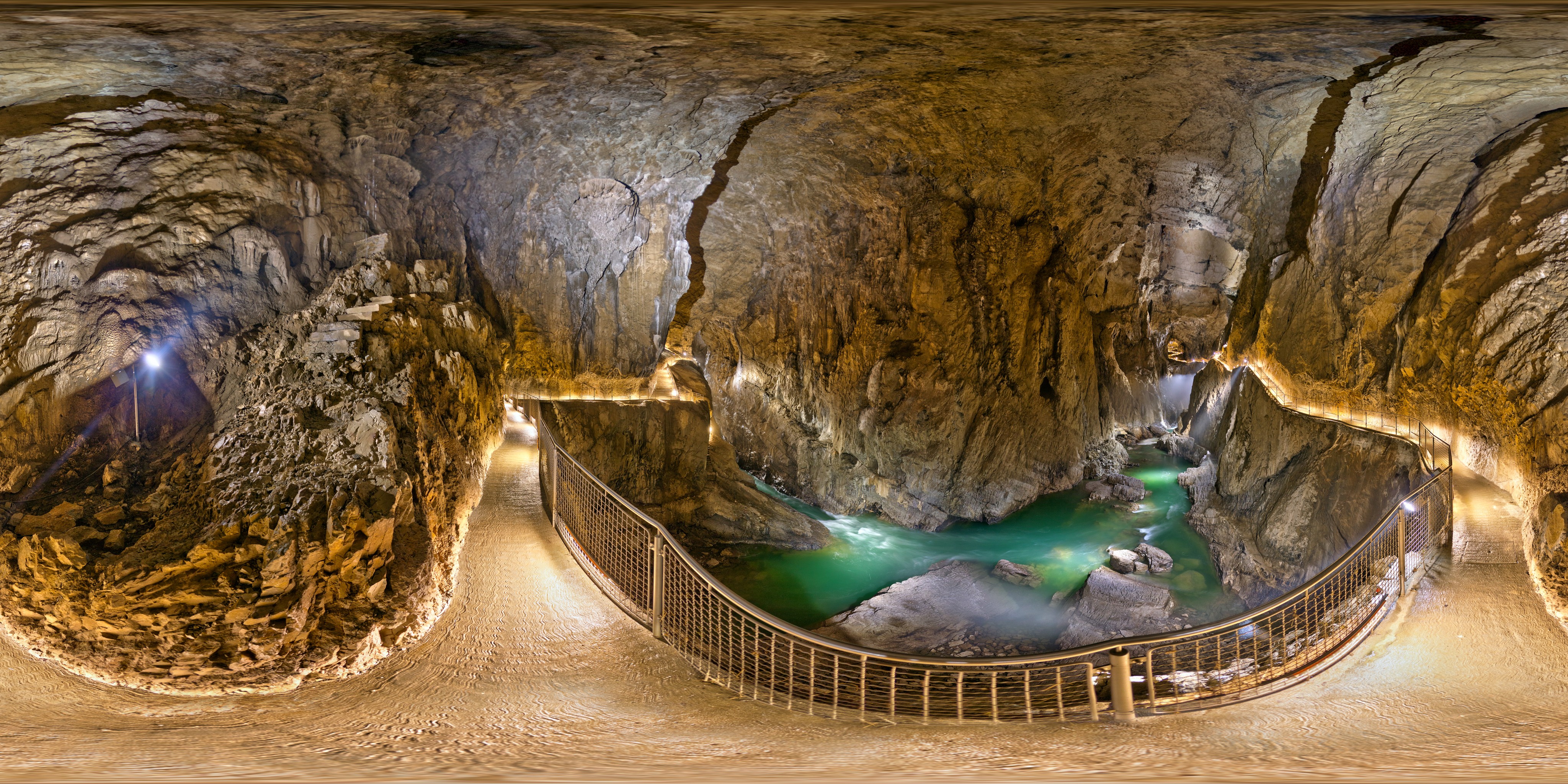
Goričko Landscape Park is located in north-eastern Slovenia and is characterised by its gently rolling hills, meadows, forests, wetlands and traditional orchards. Its most valuable natural features include wet meadows and numerous small aquatic habitats, which provide important environments for amphibians, dragonflies, butterflies and birds. The area is also home to rare plant species, including several varieties of wild orchids. Goričko is a fine example of a traditional cultural landscape where natural heritage is preserved through traditional farming practices.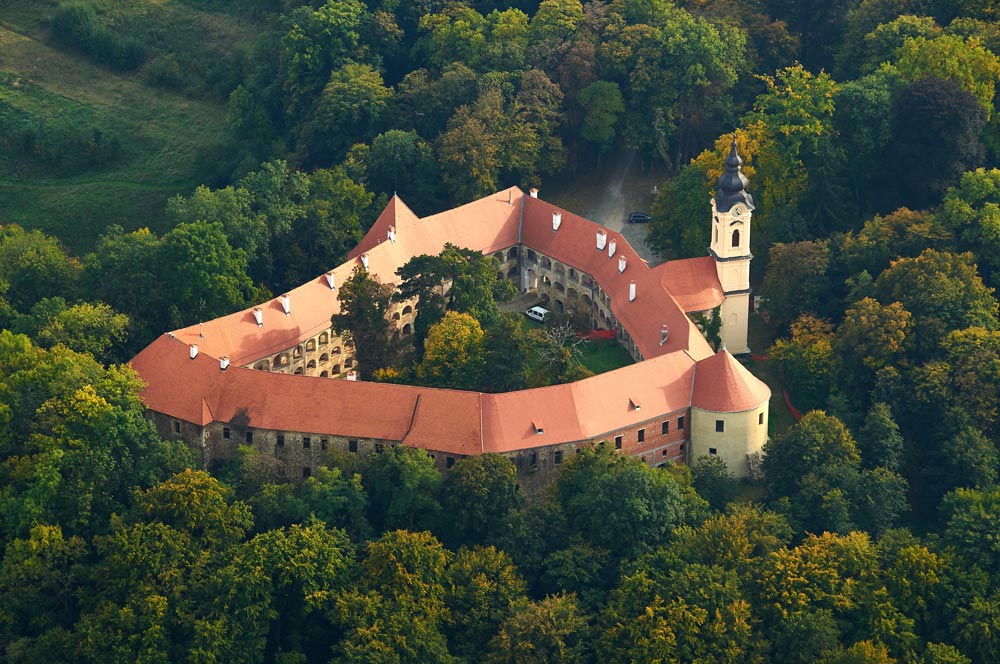
Logar Valley Landscape Park is one of Slovenia's most beautiful glacial valleys, surrounded by the towering peaks of the Kamnik–Savinja Alps. It is characterised by extensive meadows, forests, mountain streams and waterfalls, the most prominent of which is Rinka Waterfall. In addition to its breathtaking scenery, the valley is also important for its well-preserved Alpine habitats and distinctive cultural landscape, shaped by traditional mountain farms. Visitors can enjoy numerous opportunities for hiking and experiencing nature, while respecting the area's nature conservation guidelines is essential.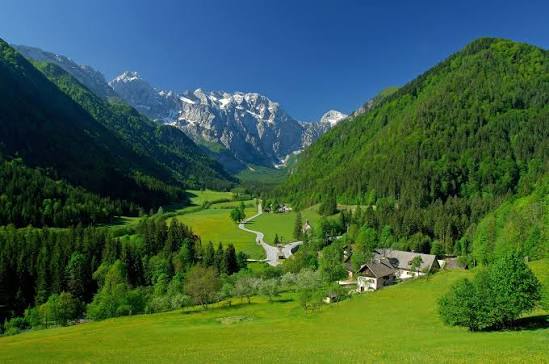
Nature parks are precious to both local communities and visitors, and it is our responsibility to help preserve them through our own considerate behaviour. Whenever we visit these protected areas, we should respect nature and follow a few simple guidelines. Stay on marked trails, never pick protected plants, avoid disturbing or feeding wild animals, and do not damage trees or other natural features. Take all your rubbish with you and dispose of it in appropriate waste bins outside sensitive natural areas. Keep dogs under control and on a lead in areas where this is required. Always observe any restrictions on lighting fires, camping, cycling and driving motor vehicles.
Let us remember that we are merely visitors in nature parks, while they are home to countless plant and animal species. The best souvenirs of a visit should be the experiences we take home and the photographs we capture, not the traces we leave behind.
Share to Facebook
Tweet
Share to LinkedIn
Send email
Share with Messenger


