

 Delen op Facebook
 Tweet
Tweet
 Deel op LinkedIn
 E-mail verzenden
 Deel met Messenger
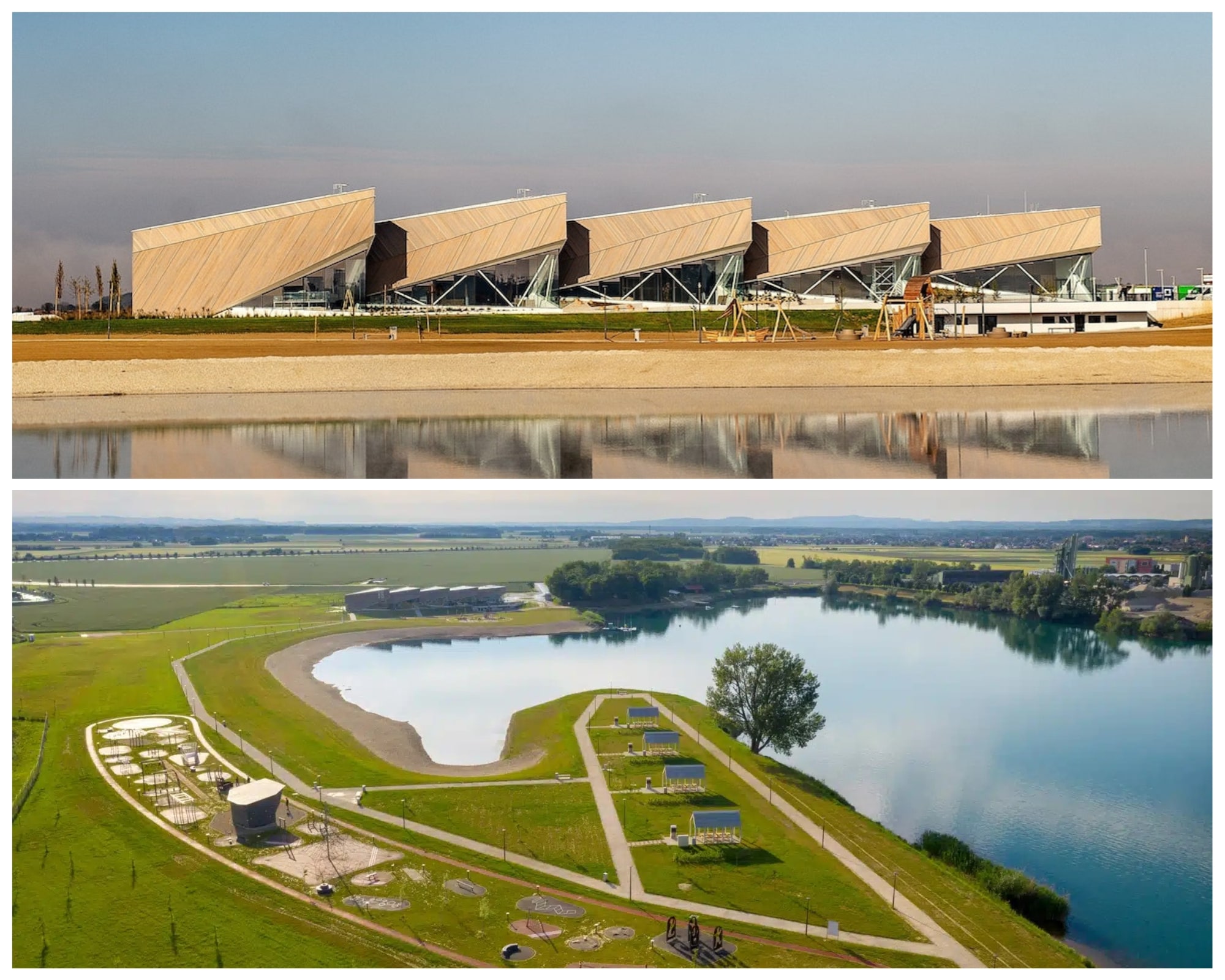
Soboško Lake, also known as the "Soboško Sea," is located in close proximity to Murska Sobota. It is recognizable by the pavilion that represented Slovenia at the World Expo in Milan in 2015. Situated by the lake is the Expano Pavilion, a modern tourist and information center that showcases the natural and cultural heritage of the Pomurje region through interactive exhibits. The area around the lake also features an outdoor fitness park, dining options, and various events, making it a vibrant destination suitable for both families and sports enthusiasts. A scenic 4-kilometer walking trail surrounds the lake, which visitors can also explore by stand-up paddleboard or simply by swimming.
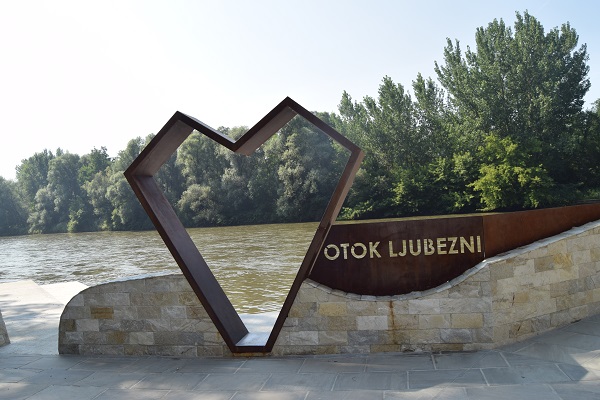
According to local tales, lovers have bathed on this island for generations, including Countess Marija Zichy from the nearby Beltinci Castle. Legend has it that the island is a place where one can find true love. The Island of Love also features a refreshment stand offering local delicacies.
Notably, the island is home to a floating mill—the only one of its kind in Slovenia—and a cable ferry that still preserves the traditional way of crossing the Mura River. The wooden mill, as it can be seen today in Ižakovci, was built in 1999 based on the original designs of the many mills that once lined the Mura. The mill stands on two boats and is operated by a miller who grinds various types of grain using traditional methods.
The ferry in Ižakovci consists of two flat-bottomed boats connected by a platform with a small cabin, all secured by a steel cable. It continues to serve as a functioning means of transport across the Mura River to this day.
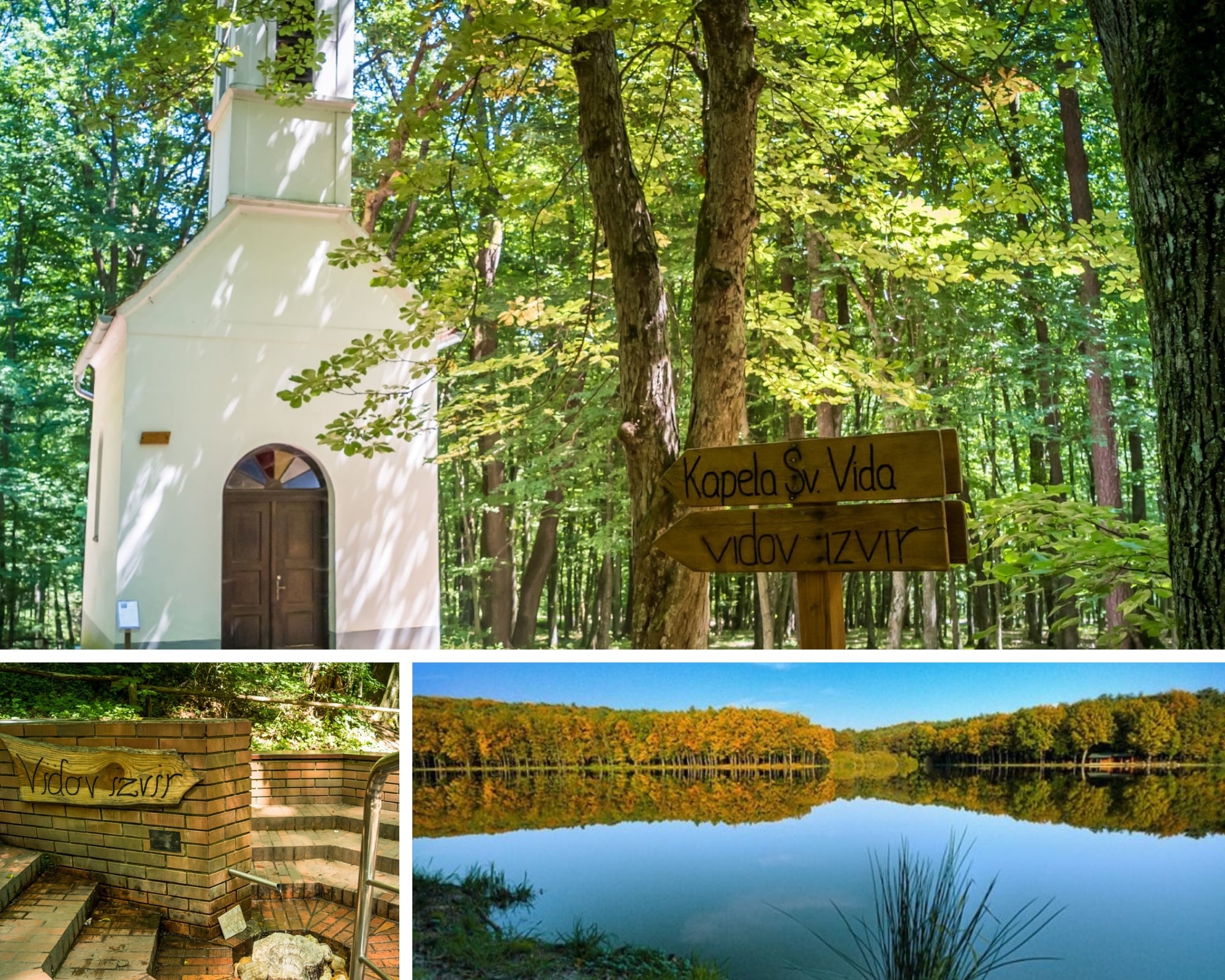
Bukovniško Lake is a small artificial lake surrounded by forest, located near the village of Bukovnica in the Goričko region. It is well known as a peaceful retreat, ideal for walks in nature. The area is particularly attractive due to its 26 energy points, which are believed to have a beneficial effect on visitors' health and well-being.
Nearby stands the Chapel of St. Vitus, next to which flows the Vitus Spring, said to possess healing powers—especially for eye-related ailments. Along the way to Bukovniško Lake, you'll also find an Adventure Park and several local providers offering traditional Prekmurje cuisine—an experience not to be missed.
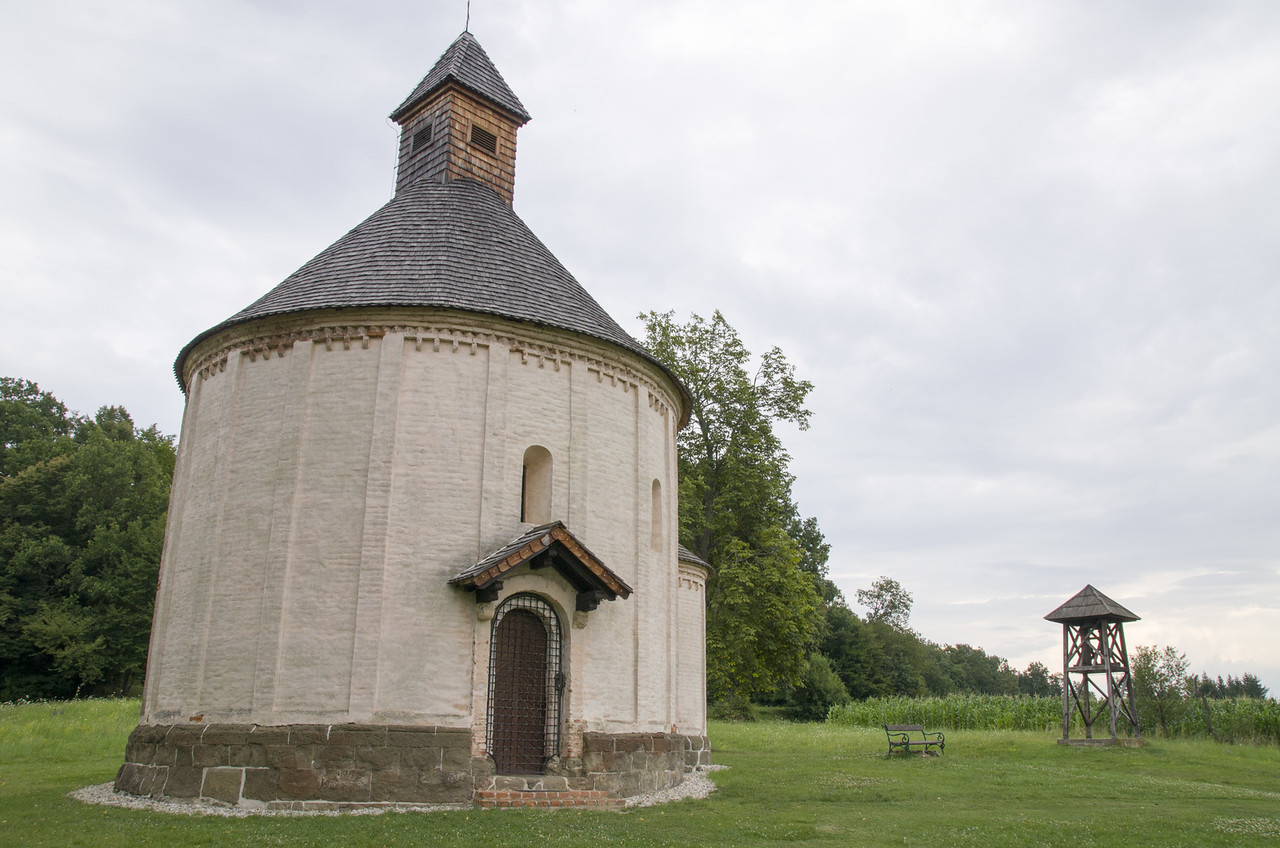
The Rotunda in Selo, also known as the Church of St. Nicholas and the Virgin Mary, is one of the oldest and most significant Romanesque buildings in Slovenia. It is located in the village of Selo in the Municipality of Moravske Toplice, in the Goričko region.
The interior of the rotunda is adorned with valuable frescoes from the 14th and 15th centuries. Among them, the depiction of the "Adoration of the Magi" from the early 14th century and scenes from the Passion of Christ dating to around 1400 stand out in particular. A visit to the Rotunda in Selo offers a unique insight into medieval sacred art and architecture and represents an invaluable part of Pomurje’s cultural heritage.
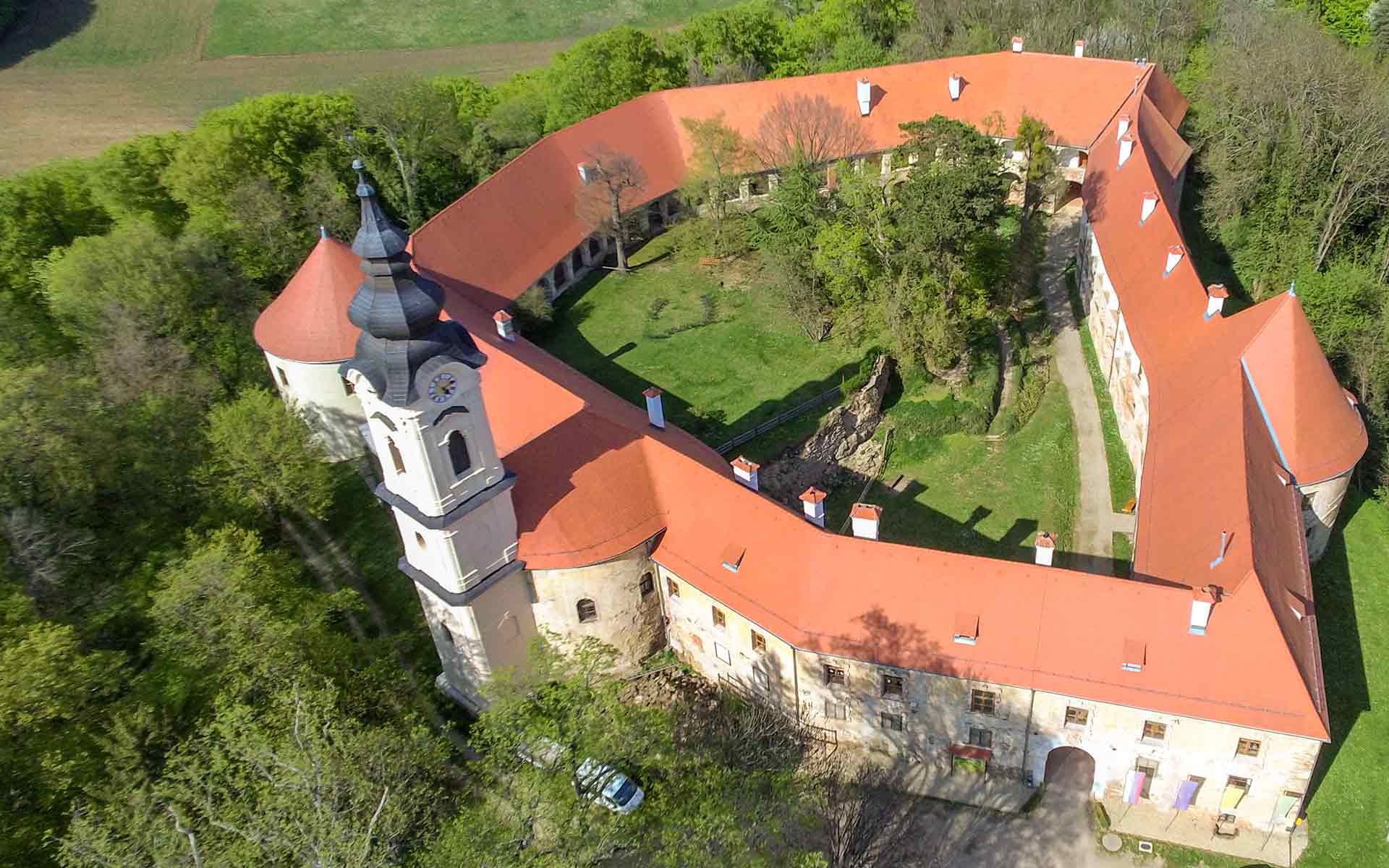
Grad Grad in the Goričko region is the largest castle in Slovenia, boasting an impressive 365 rooms. Situated in the heart of the Goričko Landscape Park, the castle dates back to the 13th century. Over the centuries, it underwent various renovations, resulting in a blend of multiple architectural styles.
Today, the castle is partially restored and open to visitors. It features both permanent and temporary exhibitions, and guests can explore many of its historic chambers. For children, the castle offers engaging workshops, fairy-tale trails, and mysterious stories from the age of knights. The surrounding area also provides scenic walking paths and ideal spots for picnicking.
Near the castle lies the site of the last volcanic eruption in what is now Slovenia, which occurred around three million years ago. Visitors are encouraged to explore the nearby Vulkanija Adventure Park, where children can create their own volcanoes. The park is filled with interactive and educational exhibits, making it a fascinating experience for both children and adults alike.
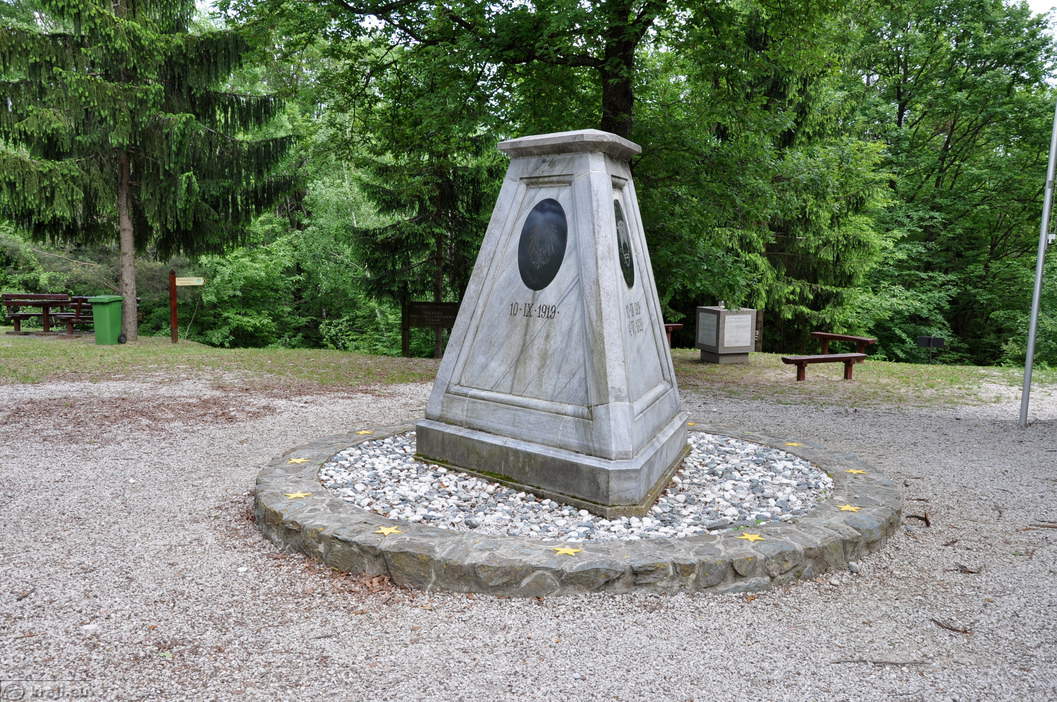
This is the point where the borders of three countries—Slovenia, Austria, and Hungary—meet. It is located in the far northeast of Slovenia, near the village of Kuzma in the Goričko region.
The tripoint is well-maintained and marked with boundary stones and informational signs. Visitors can walk along a path where, in just a few steps, they can “cross” from one country to another. The surrounding landscape is gently hilly, bordered by forests and meadows, offering tranquility, scenic views, and making it a popular destination for walking and cycling trips.
Delen op Facebook
Tweet
Deel op LinkedIn
E-mail verzenden
Deel met Messenger


